Clomid PCT: What the Evidence Shows
The Short Answer
Clomid PCT means taking clomiphene after a cycle of anabolic steroids to try to restart the body's own testosterone production faster. It is the most common off-label drug used for this, according to a 2026 review in Andrology. The idea is sound: steroids switch off LH and FSH, and clomiphene pushes them back up. The evidence that it improves long-term recovery, however, is weak.
A 2026 Society for Endocrinology position statement concluded that evidence for SERMs, hCG, aromatase inhibitors or testosterone after androgen use is limited and of low quality, with no robust evidence of better long-term recovery or symptoms. Most men recover on their own: in the HAARLEM study, testosterone was back to baseline three months after a cycle in most users, and sperm production took about a year.
Why Steroids Need Recovery
Anabolic steroid-induced hypogonadism is the name for this gap. Symptoms include low libido, fatigue, low mood and erectile problems. The Society for Endocrinology notes that such symptoms can persist even after blood levels recover, and that psychological factors play a part.
How Clomid Is Meant to Help
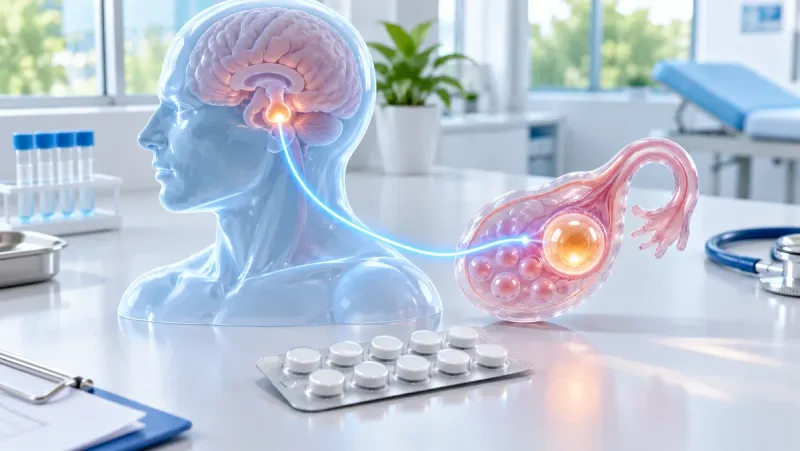
Clomiphene blocks estrogen receptors in the hypothalamus and pituitary, removing estrogen's braking signal so LH and FSH rise and stimulate the testes. The mechanism is explained in how does Clomid work. The Andrology review notes that clinical studies consistently show better hormone numbers on clomiphene, but symptom recovery varies and long-term efficacy and metabolic safety remain unclear (Bandura, 2026).
What the Evidence Says
The HAARLEM study is the best prospective data. It followed 100 Dutch amateur athletes through a cycle and found that testosterone production and sperm production recovered in the vast majority, though not all, especially those with heavy past use (Smit, 2021). The study observed real-world behaviour rather than testing PCT drugs against placebo.
A 2026 narrative review in Endocrine Connections described three views: PCT is widely used in practice, is generally not recommended academically because benefits are uncertain, and may be considered pragmatically as a short course in carefully selected men with heavy symptoms (Smit, 2026).
Risks Worth Knowing
- Faster rise in LH and testosterone numbers
- Sperm production supported in principle
- A defined endpoint for users
- Avoids restarting steroids to feel normal
- No proven long-term benefit
- Visual disturbances, a label warning
- Mood changes and breast tenderness reported
- Can mask persistent hypogonadism needing workup
Visual symptoms such as blurring or flashes are a label warning for clomiphene and a reason to stop. In long-term use in men, mood changes, blurred vision and breast tenderness were the most common complaints (Krzastek, 2019). More in Clomid side effects in men.
When to See a Doctor
Persistent low testosterone or symptoms beyond a year after stopping, fertility plans, or the urge to restart steroids to feel normal are reasons to seek specialist care. The Society for Endocrinology urges clinicians to approach men who have used androgens with compassion and without judgement. An endocrinologist can measure LH, FSH and testosterone and treat persistent hypogonadism properly.
Frequently Asked Questions
Post-cycle therapy with clomiphene after anabolic steroid use, aiming to restart natural testosterone production faster. It is off label and the most common drug used for this purpose, according to a 2026 review.
It raises LH and testosterone numbers in studies, but a 2026 Society for Endocrinology position statement found no robust evidence that it improves long-term recovery or symptoms. The evidence is described as limited and low quality.
In the HAARLEM study, testosterone returned to baseline within three months of stopping in most men, while sperm production took about a year. The Society for Endocrinology says most men recover biochemically within about 12 months.
There are no good head-to-head trials in steroid users. Both are SERMs that raise LH. Expert reviews describe the evidence for all PCT drugs as limited.
Visual disturbances are a label warning and a reason to stop. Mood changes and breast tenderness are also reported. A further risk is using PCT instead of getting proper testing for lasting hypogonadism.
Most men recover without drugs, according to current evidence, though some do not, especially after heavy use. Lasting symptoms are a reason to see an endocrinologist rather than repeat cycles of self-treatment.
Clomid.org is an independent educational resource. We are not affiliated with any pharmaceutical manufacturer, compounding pharmacy, telehealth company or healthcare provider. This content is for informational purposes only and does not constitute medical advice. Images on this site are illustrative artwork made for editorial purposes; they do not show real products, packaging or labels and are not an advertisement or an offer to sell.
Editorial
Author
Comments (0)
Be the first to comment on this article.